
 LOGIN
LOGIN CART
CARTThe Complete Guide to Frameless Shower Door Hardware (2026)
04/17/2026, 3:35 PM

There is a reason frameless shower enclosures now appear in nearly every bathroom renovation photo online. They are cleaner, more open, and significantly more durable than framed alternatives — and the hardware that makes them work is more straightforward to choose than most people expect.
Whether you are planning a new bathroom, replacing worn-out hardware on an existing enclosure, or specifying hardware for a shower door project, this guide covers everything you need: hinge types, glass thickness compatibility, handle and towel bar options, finish selection, and the most common mistakes to avoid.
What Makes a Shower Door Frameless?
A frameless shower enclosure uses tempered glass panels without a metal frame around the glass edges. Instead of a frame, the glass is supported by hinges mounted directly to the wall or to an adjacent glass panel, and by hardware like clamps and wall mounts at key structural points.
The result is a shower that looks larger, is easier to clean (no frame channels to collect soap buildup), and can accommodate glass of varying thicknesses depending on the weight of the door. Semi-frameless enclosures use minimal framing around specific edges; fully framed enclosures enclose the glass entirely. The hardware choices for each type are quite different, so it is worth being clear about which type you have or are building before selecting components.
This guide focuses on hardware for fully frameless and semi-frameless shower enclosures — the two most popular configurations in new residential construction and bathroom renovation today.
The Four Components Every Frameless Shower Enclosure Needs
A complete frameless shower door hardware set typically includes four categories of components. Understanding what each does makes it much easier to select the right products and confirm that everything will work together before you order.
1. Hinges
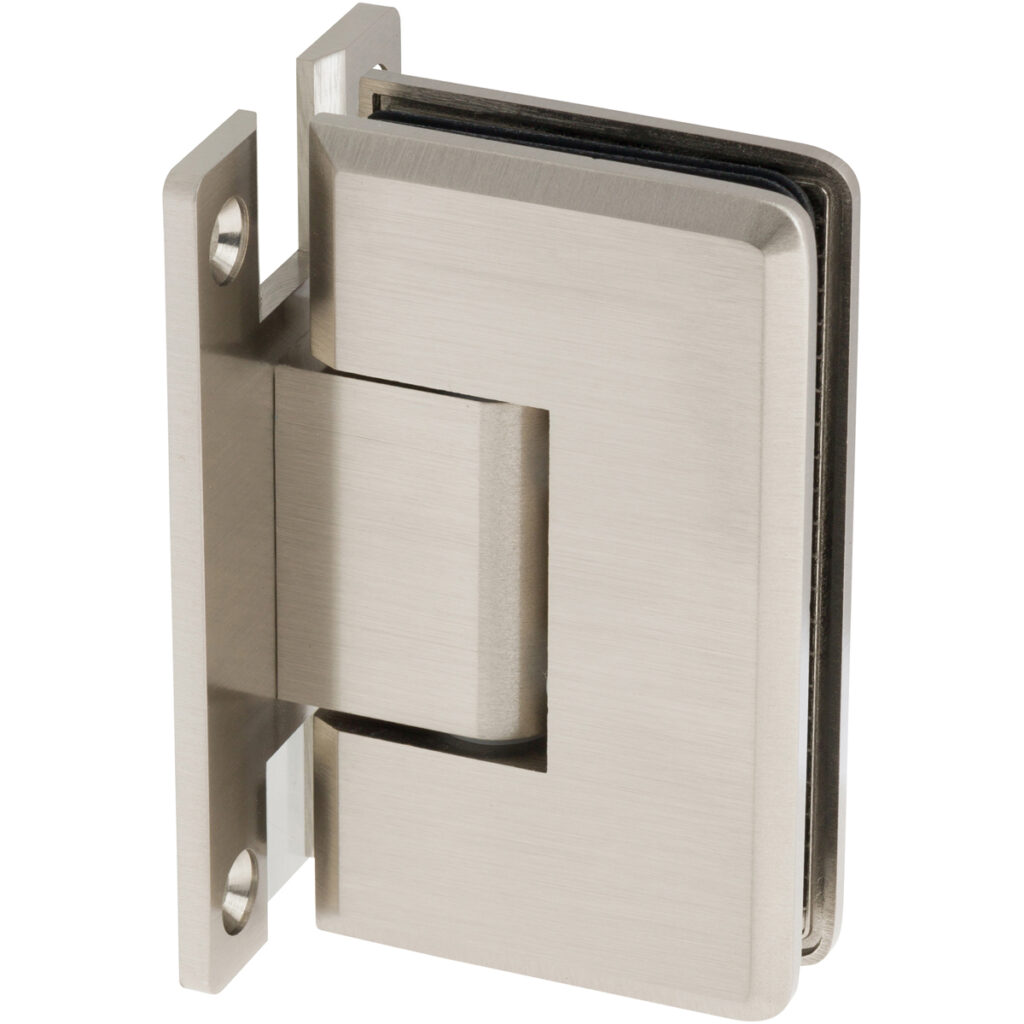
Hinges are the structural foundation of a frameless shower door. They bear the full weight of the glass panel and determine how far the door swings open. There are two primary hinge configurations:
- Wall-to-glass hinges mount on one side to a wall surface and on the other side directly to the edge of the glass panel. These are the most common type for swing shower doors. A standard 28″ door panel with two wall-to-glass hinges supports up to 80 lbs. A 32″ panel with three hinges supports up to 120 lbs.
- Glass-to-glass hinges connect two glass panels together — most commonly used where a fixed glass panel serves as the hinge side rather than a wall. These are specified for enclosures with 90-degree, 135-degree, or 180-degree panel configurations.
Glass thickness is the most important specification when selecting hinges. The Rockwell standard-duty hinge series (M-037, SHB037, SEE037) is designed for glass 5/16″ (8mm) to 1/2″ (12mm) thick. The heavy-duty series (HDABH, HSHDL180) is designed for 3/8″ (10mm) to 1/2″ (12mm) glass and supports up to 140 lbs with three hinges. Using the wrong hinge for your glass thickness is the most common specification error in frameless shower hardware and can result in an unstable door or hardware that simply will not fit.
Most standard-duty wall-to-glass hinges offer a 90-degree opening angle. Some models offer a 0-degree or 5-degree option that positions the door slightly differently in the closed position — this is a design preference rather than a functional difference, and both versions use the same glass cutout template.




2. Handles and Pull Bars
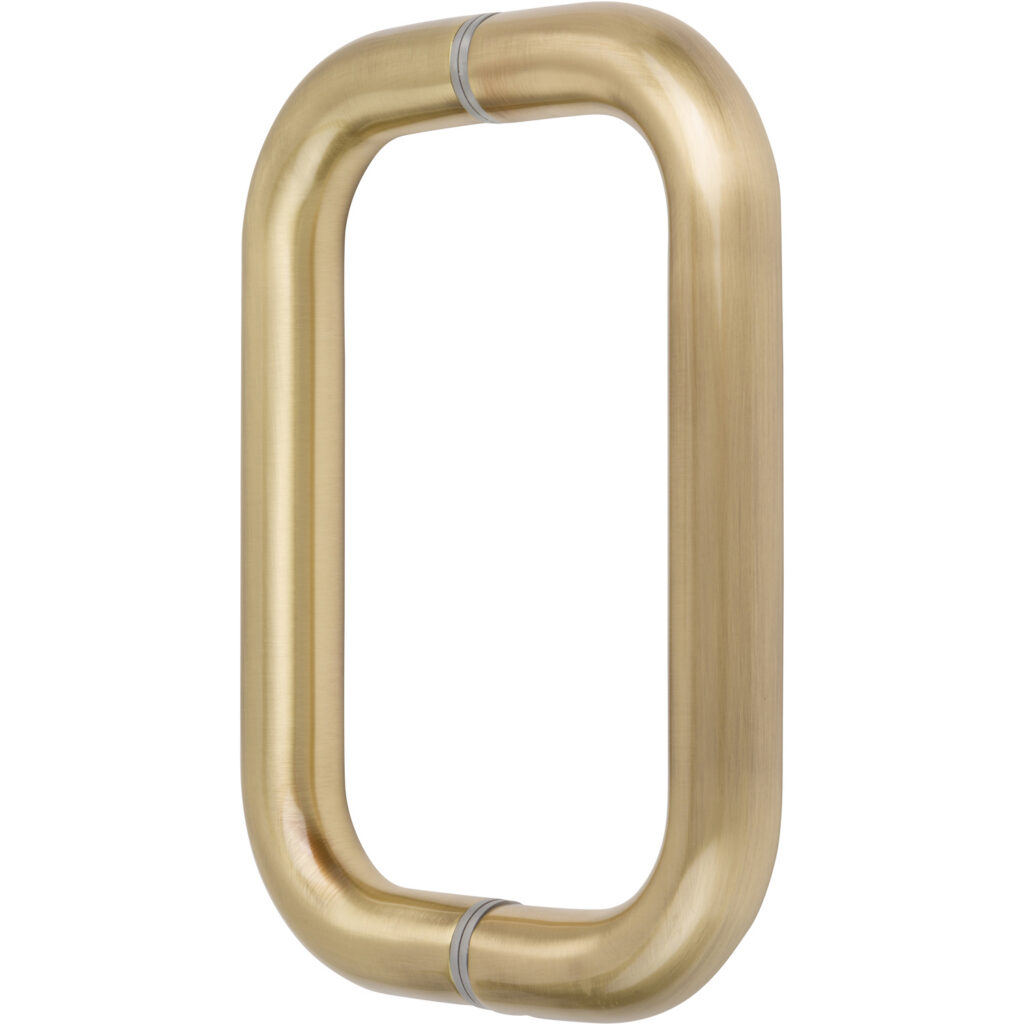
Handles on frameless shower doors serve two purposes: giving you something to grip when opening and closing the door, and functioning as a towel bar when the door is closed. For swing doors, back-to-back pull handles are mounted through the glass on both sides. For bypass sliding doors, single-side handles or finger pulls are used.
Pull handles for frameless doors are specified by their center-to-center (CTC) measurement — the distance between the two mounting holes in the glass. Common sizes are 6″ CTC (with an overall length of 10″) and 8″ CTC (with an overall length of 12″). Back-to-back tubular pulls, ladder-style pulls, and square pulls each give a distinct visual character. Tubular pulls have a classic round profile; ladder pulls have an angular, architectural look; square pulls have a contemporary, hotel-style appearance.
All three styles require 1/2″ holes drilled through the glass at the specified CTC spacing. They are compatible with glass 1/4″ to 1/2″ thick. Stainless steel tubing with a 3/4″ diameter is standard across the Rockwell shower pull handle collection, including the Classic, Contemporary Square, and Ladder Type back-to-back pull series.



3. Towel Bars
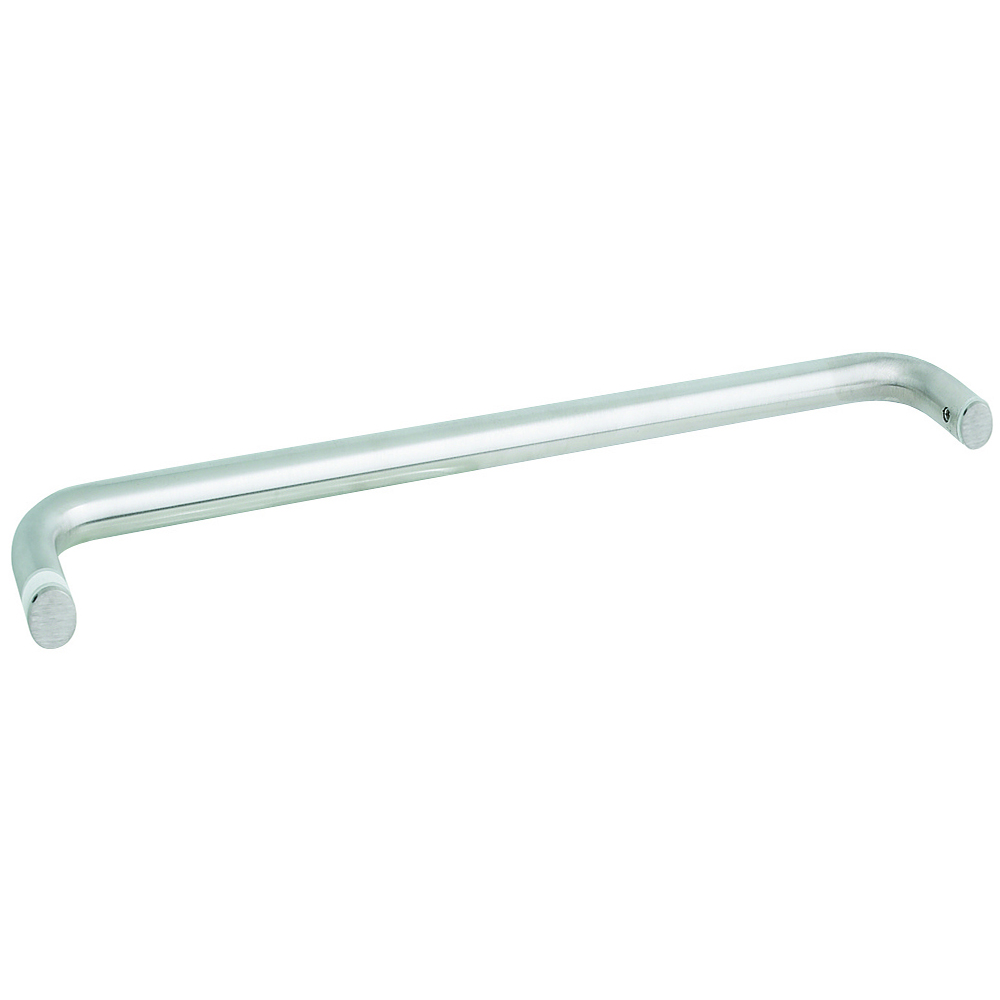
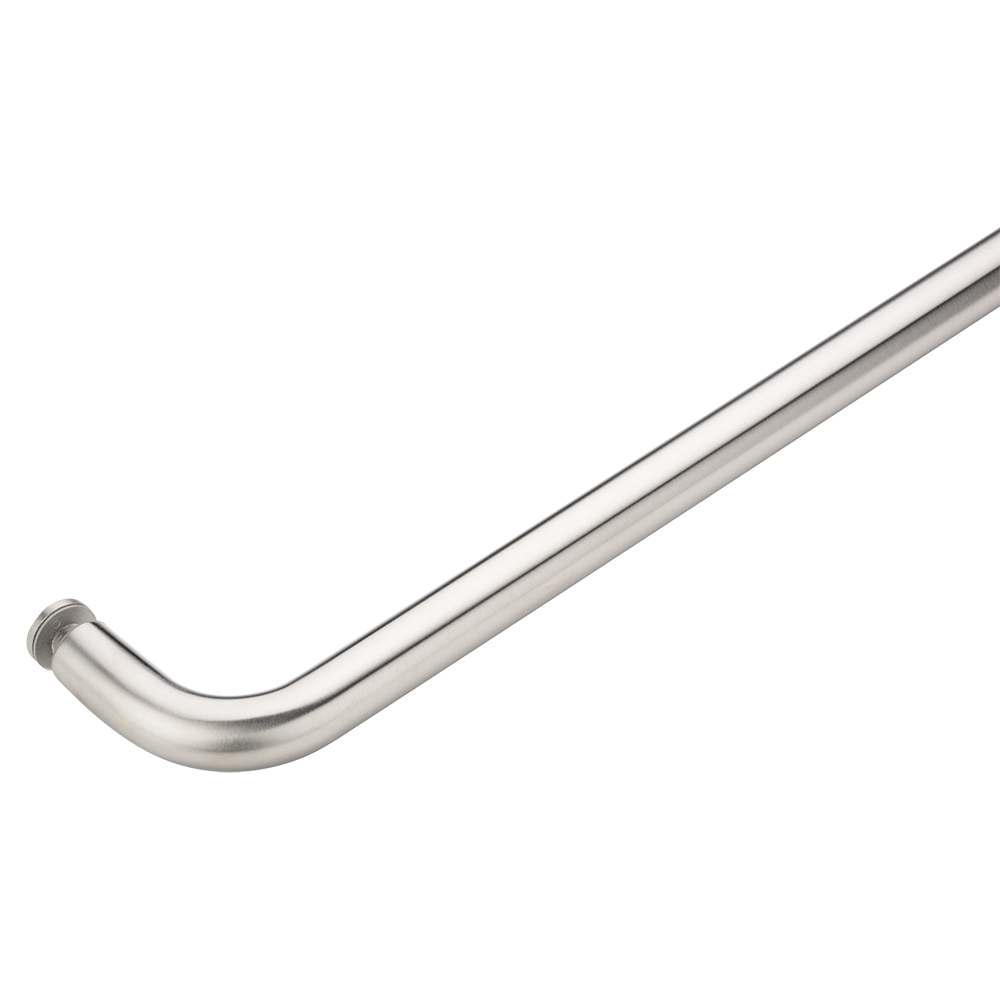
Towel bars for frameless shower doors are single-sided bars that mount through the glass on one side only, with a decorative washer on the opposite face. They are not the same as back-to-back handles — towel bars project from one side of the glass and are typically positioned lower on the door panel, making them convenient to reach from outside the shower.
Towel bars are available in several profiles to match different enclosure styles. Square corner towel bars have a squared return at each end. Mitered corner bars have an angled return for a more refined look. Ladder-style towel bars have a flat profile reminiscent of architectural ladder pulls. All require 1/2″ cutout holes and are compatible with glass 1/4″ to 1/2″ thick.
Sizing: towel bars typically range from 18″ to 28″ in overall length. The most common sizes for residential frameless shower doors are 18″, 20″, and 24″. Choose a size proportionate to the width of your door panel — for a 24″ door panel, an 18″ or 20″ bar is usually the right proportion.



4. Clamps and Wall Mounts
Clamps and wall mounts provide additional structural support at glass-to-glass or glass-to-wall connections that are not covered by hinges. They do not bear the door’s weight — that is the hinge’s job — but they stabilize fixed glass panels and support neo-angle and multi-panel configurations.
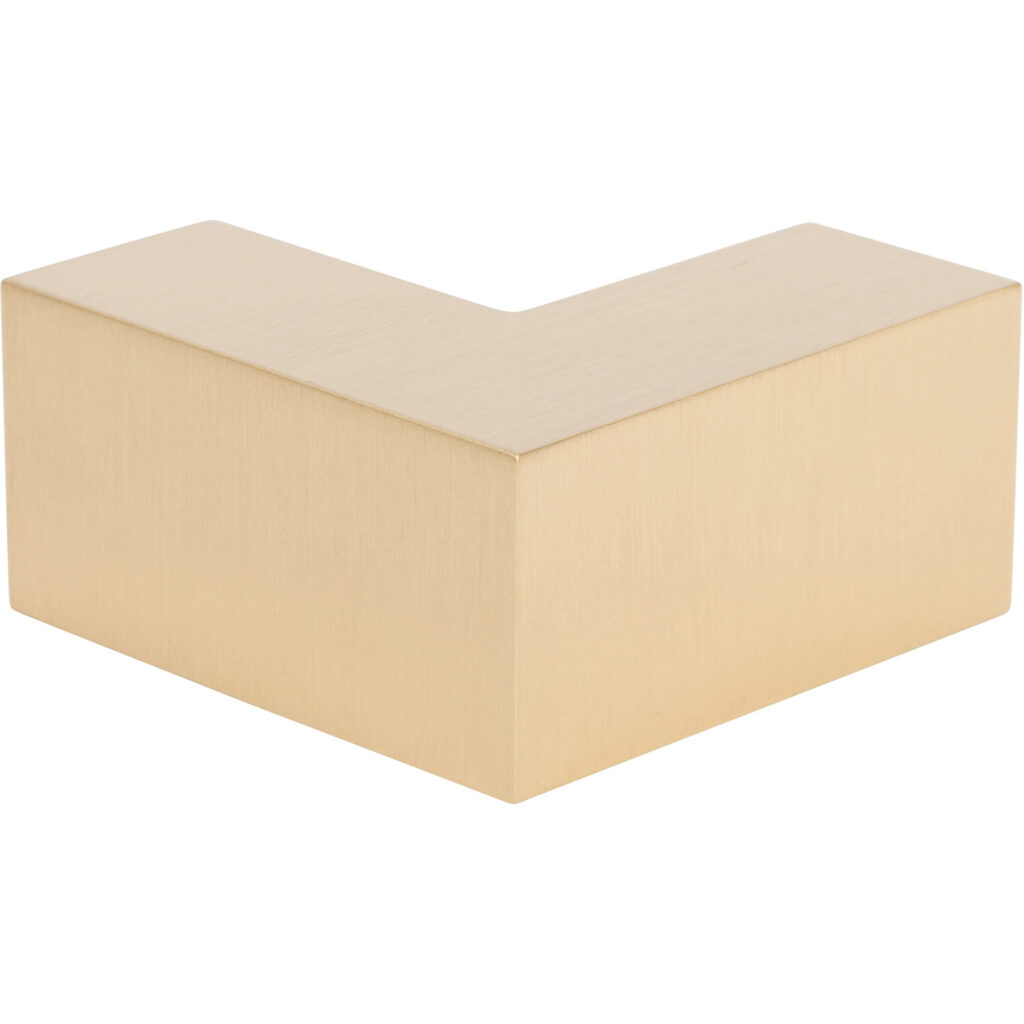
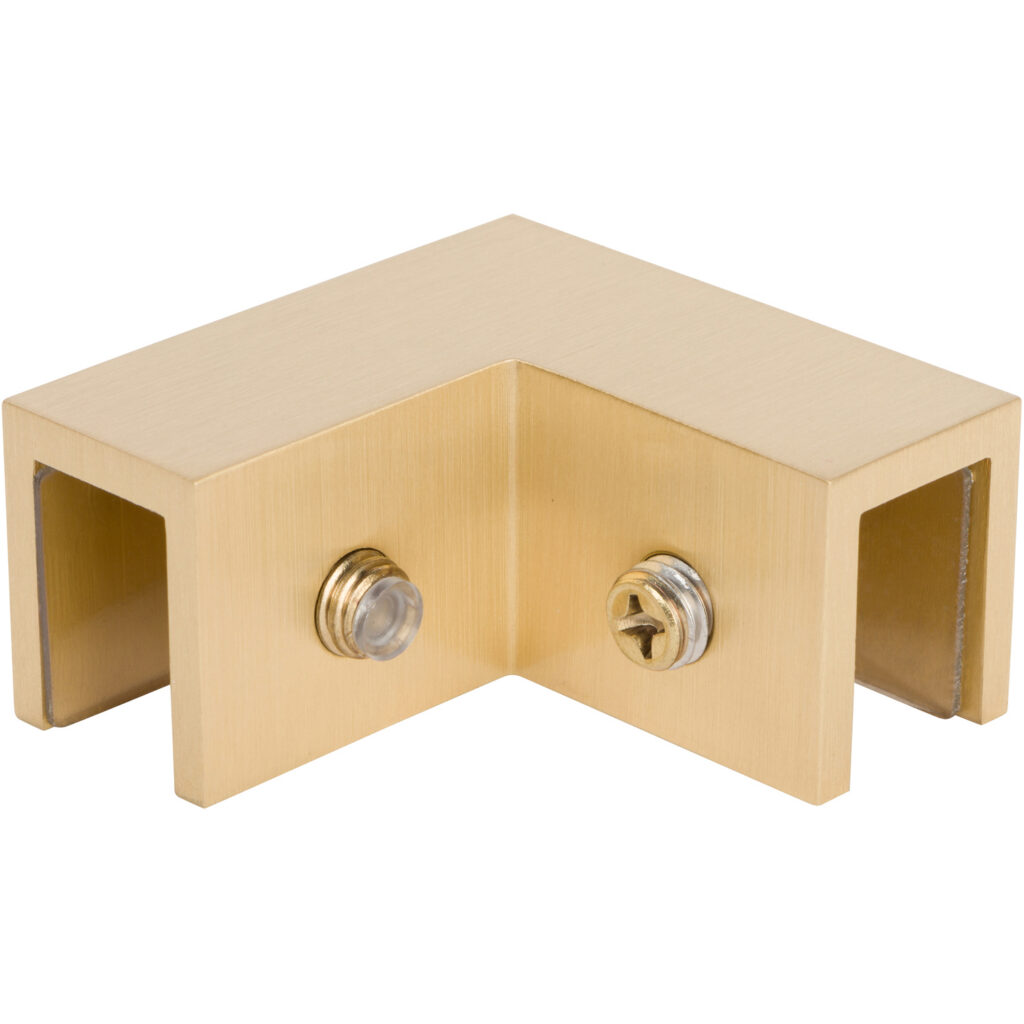
Glass-to-glass clamps are available in 90-degree, 135-degree, and 180-degree versions to match the angle of your enclosure. The 90-degree clamp is used at corner configurations; the 135-degree version for neo-angle enclosures; and the 180-degree version for inline panel configurations where two glass panels meet edge to edge. Material is solid brass with a glass hole requirement of 3/4″.
Wall mounts and shower door wall mounts are used to secure the non-hinged edge of a fixed panel to the wall surface. These are specified by the hand (left or right) and are available in polished chrome, brushed nickel, and matte black finishes.


Choosing the Right Finish
The finish you select for your shower hardware affects both the appearance and the long-term durability of the installation. Bathroom environments are high-humidity by definition, which makes finish selection more consequential than it is in most other areas of the home.
Polished chrome remains a reliable and widely available choice. It is bright and reflective, coordinates with chrome plumbing fixtures, and is easy to clean.
Brushed nickel has a warmer, matte-silver appearance that hides water spots better than polished chrome and has remained the most popular finish in residential shower hardware for more than a decade. It coordinates well with most bathroom fixture finishes and works equally well in traditional and contemporary settings.
Matte black has grown significantly in popularity over the last three years, particularly in contemporary and spa-style bathroom designs. It pairs well with black plumbing fixtures and adds strong visual contrast against white or light-colored tile.
Brushed brass is a finish we’ve recently introduced across select shower door hardware items in response to demand from our OEM shower door manufacturer clients. It brings a warm, sophisticated quality to the bathroom that coordinates beautifully with the current trend toward brass and gold plumbing fixtures. Availability is currently limited to specific items — if you’re drawn to this finish, we’d encourage you to browse what’s available now, as selection may expand over time. You can find the current brushed brass range on both the Premium Hardware and Rockwell Security sites.
A practical recommendation regardless of which finish you choose: match your shower door hardware finish to your shower valves and faucet fixtures. Mixing finishes intentionally can work well, but it requires a clear design plan. Accidentally mixing polished chrome hinges with brushed nickel handles because they were ordered separately is one of the most common regrets homeowners mention after a shower renovation. Take a moment to confirm all your fixture finishes before placing your order — it’s much easier to get right the first time than to replace hardware after installation.
A Note on Glass Thickness
If there is one specification that catches people off guard more than any other, it is glass thickness. Most standard-duty shower door hardware is rated for glass 5/16″ to 1/2″ thick. The mini hinge series for bypass sliding shower doors (ALMHCPS, ALMHBN1) is designed for 1/4″ glass only and will not fit thicker glass panels. Heavy-duty hinges for large or heavy doors specify 3/8″ to 1/2″ glass.
If you are replacing hardware on an existing shower door, measure your glass before ordering. A simple way to do this is to open the door and measure the edge directly. 1/4″ glass is visibly thinner and more flexible; 3/8″ glass has a noticeable green tint on the edge; 1/2″ glass is substantially heavier and typically used on large frameless shower enclosures with wide door panels.
When in doubt, err on the side of heavier-duty hardware specified for a wider glass thickness range. Most heavy-duty hinge models accommodate both 3/8″ and 1/2″ glass and provide better long-term performance for a wider range of door configurations.
Common Installation Mistakes and How to Avoid Them
- Ordering the wrong hinge for the glass thickness. Always verify glass thickness before selecting hinges. See the glass thickness guide in the section above.
- Selecting a back-to-back pull handle for a bypass sliding door. Back-to-back handles require holes on both sides of the glass and are for swing doors only. Bypass sliding doors require single-side pulls or finger pulls.
- Mismatching hole diameters. Wall-to-glass hinges typically require a 9/16″ diameter glass hole. Towel bars and back-to-back pulls require 1/2″ holes. Finger pull knobs for bypass doors require 1/2″ holes. Confirm the required hole size before drilling.
- Choosing a towel bar that is too long for the door panel. A 24″ towel bar on a 22″ door panel will extend beyond the glass edge. Measure your door panel width and select a towel bar that leaves at least 2″ of clearance on each side.
- Forgetting to specify left-hand or right-hand wall mounts. Some wall mount components are handed. Confirm the hand before ordering.
Ready to Build or Refresh Your Frameless Shower Enclosure?
Our shower door hardware collection covers everything you need for a complete frameless installation — wall-to-glass hinges, glass-to-glass hinges, back-to-back pull handles, single-side towel bars, glass clamps, and wall mounts. Available in polished chrome, brushed nickel, and matte black across the full collection, with select items now available in brushed brass for those looking for something a little warmer and more distinctive.
Browse our Frameless Shower Door Hinge collection, Shower Door Towel Bar collection, and Shower Door Pull Handles collection, or contact our team if you’d like help specifying the right components for your project. We’re happy to walk through the details with you.